St. Louis, MO
What Dentists Notice in 10 Seconds That Patients Usually Miss
Before you even settle into the chair, your dentist is already reading your mouth like a map.
Most people walk into a dental checkup expecting a cleaning, a quick poke around with a metal tool, and maybe a reminder to floss. What they don’t realize is that within seconds of opening wide, a trained dental professional has already clocked three or four things worth paying attention to things that are completely invisible to the untrained eye and completely painless at this stage.
That’s the part that matters most. Painless. No symptoms. No warning. And yet, the signs are already there.
A skilled dental expert can often identify subtle warning signs long before patients notice anything themselves, which is why routine exams matter far more than most people realize.
If you’ve ever wondered what dentists notice in teeth that you’ve been missing, the answer might change how you think about your next appointment and how urgently you schedule it.
The 10-Second Clinical Read Most Patients Don’t Know Is Happening
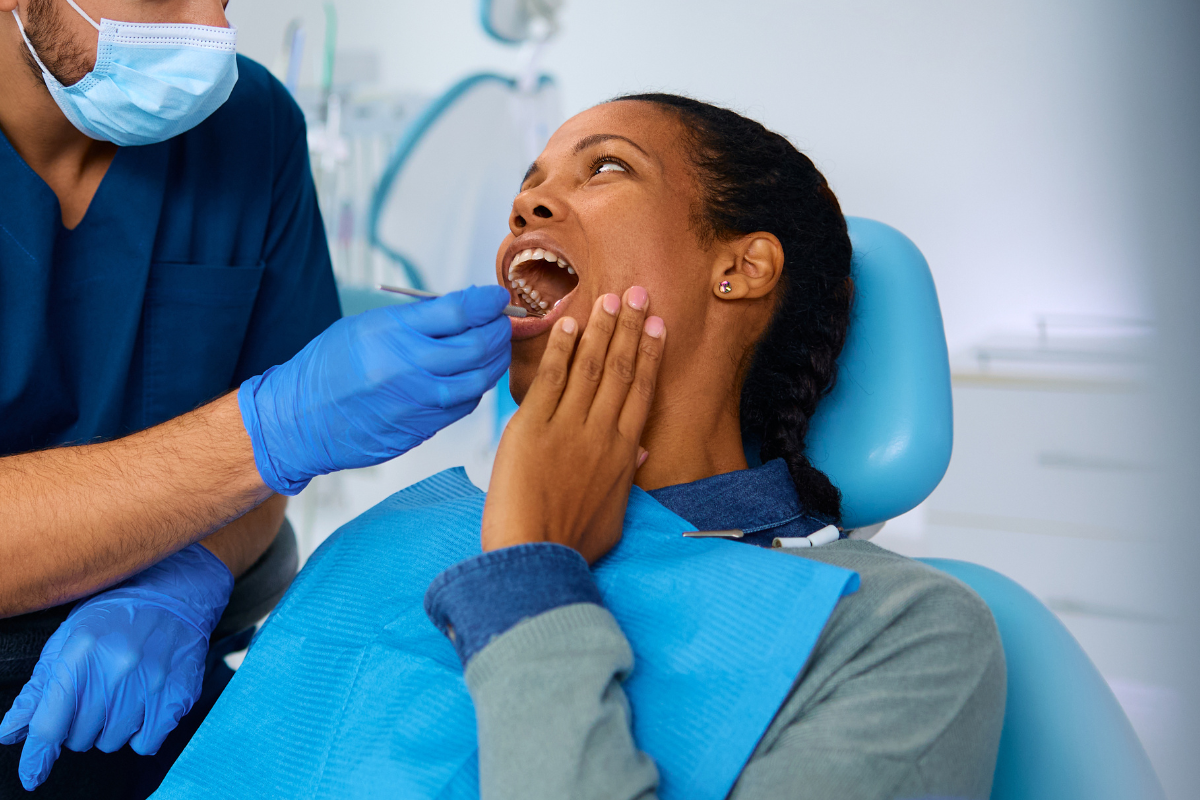
The moment you open your mouth, a trained dentist begins a rapid visual and clinical assessment that most patients don’t even realize is underway. It’s not intuition it’s pattern recognition built through years of seeing thousands of mouths. And it covers far more ground than most people expect.
In those first seconds, your dentist is looking at gum color and texture, the wear patterns along your enamel, how your teeth meet when you bite, the moisture and condition of your oral tissues, and whether anything in the soft tissue looks unusual. This isn’t the formal exam yet. This is the overview the instinctive read that sets the direction for everything that follows.
For patients across St. Louis who stretch dental visits to once a year or longer, that 10-second scan is often the moment that saves them from something much bigger down the road.
6 Things Your Dentist Notices That You’d Never Catch Yourself
1. Enamel Erosion Before It Looks Like Anything
Enamel is the hardest substance in your body, but it wears down silently. Dentists look for telltale patterns thinning along the edges of front teeth, a glassy or translucent appearance near the tips, subtle cupping on the biting surfaces of molars.
These patterns tell a story. Frequent acid exposure from citrus, soda, or sparkling water. Gastric reflux pushing stomach acid up at night. Sometimes, an eating disorder history that a patient hasn’t mentioned.
None of this causes pain until the enamel loss is significant. By then, the conversation has shifted from prevention to restoration.
2. Early Gum Disease The Sign Most People Dismiss
Healthy gum tissue has a specific look and feel. It’s pink, firm, and sits snugly around each tooth. When gingivitis begins, the tissue becomes slightly redder, slightly puffier, and bleeds more easily when probed. Most patients either don’t notice this or write it off as brushing too hard.
Dentists notice it immediately. And they know what it means not just for your gums, but for what happens if it’s left alone. Gingivitis is fully reversible. Periodontitis, the stage that follows, is not. It destroys the bone that holds your teeth in place, and it’s one of the leading causes of tooth loss in adults across the country.
That small moment of noticing early gum tissue change is the difference between a professional cleaning solving the problem and needing gum surgery years later.
3. Bruxism – A Habit You Probably Don’t Know You Have
Teeth grinding is one of the most common and most underdiagnosed dental issues, largely because most people do it at night. They wake up with a sore jaw, attribute it to stress, and move on. Meanwhile, their teeth are telling a completely different story.
Sometimes patients struggle to explain what’s bothering them because nothing looks visibly wrong. Their bite feels different, certain teeth suddenly feel more noticeable, or chewing just feels “off” in a way they can’t describe. These subtle changes are often early warning signs of bite imbalance, grinding pressure, or shifting enamel wear patterns that become easier to detect during a professional exam. If you’ve experienced that strange sensation before, you may also want to read: “Why Your Teeth Suddenly Feel “Off”, Even When Everything Looks Normal.“
Dentists look for flat, worn-down cusp tips that should still have natural peaks. They check for small vertical cracks along the enamel surface. They look at ridges on the inside of the cheeks from chronic biting. In more advanced cases, the teeth themselves appear shorter than they should for the patient’s age.
A custom night guard, recommended early, protects the teeth from further damage. Caught late, bruxism leads to cracked teeth, bite collapse, and sometimes jaw joint dysfunction that requires far more intervention to manage.
4. Hairline Cracks – Invisible in a Mirror, Clear Under a Dental Light
These are almost impossible to spot at home. A hairline crack in a tooth can exist for months or even years without causing any pain. Under a focused dental light and with the right examination technique they become visible as fine lines running through the enamel or deeper into the tooth structure.
Why does this matter? Because a crack that’s caught early can often be treated with bonding or a crown that protects the tooth before the crack propagates. A crack that reaches the root often means extraction, followed by the process of replacing that tooth whether through a dental implant, bridge, or another restorative option.
The tooth doesn’t announce that it’s cracking. Your dentist does.
5. Dry Mouth And Why It’s a Bigger Deal Than It Sounds
Saliva isn’t just moisture. It’s your mouth’s natural defense system it neutralizes acids, remineralizes enamel, washes away bacteria, and keeps the oral environment balanced. When saliva production drops, decay risk goes up dramatically.
Dentists recognize the signs of chronic dry mouth quickly: cracked corners of the lips, an unusually rough or sticky tongue, decay patterns appearing in unusual locations like along the gumline or on the back surfaces of teeth. Often, dry mouth is a side effect of medications antihistamines, blood pressure drugs, antidepressants that patients don’t think to mention because they don’t connect it to their dental health.
Knowing this changes how a dentist approaches your care and what preventive measures they recommend.
6. Soft Tissue Changes The Check That Could Save Your Life
This one doesn’t get talked about enough. Dentists examine more than just your teeth. Every comprehensive checkup includes a visual scan of the tongue, cheeks, floor of the mouth, the palate, and the back of the throat for anything that looks unusual patches, sores, asymmetries, or lesions that haven’t healed.
Oral cancer screening is built into your dental visit, and it happens in seconds. The reason it matters is that oral cancer, when detected early, has dramatically better outcomes than when it’s found late. Most patients aren’t walking in looking for that. Their dentist is doing it for them, quietly, every single visit.
Why Early Detection Changes Everything
There’s a pattern that plays out over and over in dentistry, and it’s almost always preventable in hindsight.
A patient skips appointments for two or three years. No pain, so no urgency. Then something breaks, or hurts, or suddenly becomes impossible to ignore and by that point, what could have been a filling is now a root canal. What could have been a deep cleaning is now periodontal surgery. What could have been caught and monitored is now a problem with consequences.
The conditions your dentist spots early are almost always reversible or easily managed at that stage. Gingivitis clears up. Enamel erosion can be slowed and protected. A cracked tooth can be crowned before it splits. A grinding habit can be managed with a night guard before structural damage accumulates.
Waiting for pain to guide your dental decisions is one of the most expensive choices you can make financially and physically.
One of the biggest misconceptions in dentistry is that pain is the first sign of a problem. In reality, teeth often give subtle warnings long before discomfort begins small sensitivity changes, tiny chips, shifting bite pressure, or occasional bleeding that seems easy to ignore. Those quiet warning signs are exactly what dentists are trained to catch early. For a deeper look at these overlooked symptoms, read: “Your Teeth Might Be Warning You Long Before They Hurt – Here’s What to Watch For.“
What Your Mouth Tells Your Dentist About the Rest of Your Body
This surprises most people: the mouth is often where systemic health issues leave their earliest visible signs.
Dentists are trained to recognize patterns consistent with uncontrolled diabetes unusual healing patterns, recurring infections, aggressive gum disease that doesn’t respond typically to treatment. Vitamin B12 and iron deficiencies often show up as changes in tongue texture and color. Chronic, severe gum inflammation has well-documented associations with cardiovascular health markers.
Your dentist isn’t diagnosing conditions outside their scope but they’re paying attention to the whole picture. More than a few patients have left a dental appointment with a referral to their physician that turned out to be important.
If you’ve noticed unusual changes in your gums, tongue, bite, or overall oral health, don’t ignore them simply because nothing hurts yet. A comprehensive dental exam can often reveal early warning signs before they become larger concerns. Call Dr. Waite and Associates today to schedule your visit and get a clearer picture of your oral health before small issues turn into bigger problems.
A Word From Our St. Louis Patients
Patients often mention how clearly Dr. Waite and the team explain what they’re seeing during exams especially when identifying issues patients didn’t realize were developing.
As Rita Pollard shared in her Google review:
DR. WAITE and his STAFF provided EXCELLENT CUSTOMER SERVICE and ANSWERED all of my QUESTIONS VERY INFORMATIVE.
That kind of transparency and attention to detail is exactly what many patients are looking for when choosing a dentist in St. Louis. Whether it’s explaining enamel wear, early gum inflammation, bite changes, or preventive treatment options, the goal is always to help patients feel informed rather than overwhelmed.
Read more Google reviews to see why patients across St. Louis, Clayton, Kirkwood, and Webster Groves continue to trust Dr. Waite and Associates for comprehensive dental care.
Meet Dr. Waite
At Dr. Waite and Associates, the approach to dental care starts with listening and looking carefully. Dr. Waite and the team bring years of clinical experience to every exam, and they believe strongly that the most valuable thing a dentist can do is help patients understand what they’re seeing and why it matters.
New patients and returning patients across St. Louis, Clayton, Kirkwood, and Webster Groves are welcome. If you haven’t been seen in a while or even if you have a comprehensive exam is always worth it.

Schedule your visit or explore more about our dental checkup services, restorative dentistry options, and cosmetic dental care to find the right path for your smile.
Frequently Asked Questions
What do dentists actually look for during a routine teeth exam?
A comprehensive exam covers enamel condition, gum tissue health, tooth alignment, bite function, decay, hairline cracks, existing restoration integrity, and a soft tissue screening for unusual changes. All of this is assessed systematically even in a visit that feels quick from the patient’s side.
Can gum disease develop without any symptoms?
Yes, and it often does. Gingivitis the earliest stage is almost always painless. Slight redness and bleeding during brushing are easy to dismiss. By the time discomfort appears, the disease has typically progressed into periodontitis, which involves bone loss and is no longer reversible.
How often should adults see a dentist if they feel fine?
Most adults benefit from checkups every six months. Feeling fine is not the same as having no active issues most dental problems develop silently and are only visible through clinical examination and X-rays.
What are the early warning signs of enamel erosion at home?
Increased sensitivity to temperature or sweet foods is usually the first noticeable sign. Teeth may begin to appear slightly yellowed or translucent near the edges, and chips or cracks may occur more easily. A dental evaluation can confirm the cause and degree of erosion.
Do dentists screen for oral cancer at routine checkups?
Yes. Oral cancer screening is a standard part of a comprehensive dental exam and involves examining the tongue, cheeks, floor of the mouth, palate, and throat for any unusual tissue changes. Early detection makes a significant difference in treatment outcomes.
How can I tell if I’m grinding my teeth at night?
Most people can’t which is why dentists catch it. Common signs that show up clinically include flat or worn cusp tips, small enamel cracks, and cheek ridge marks. You might notice jaw soreness in the morning or unexplained headaches. Your dentist can confirm bruxism and discuss protective options like a custom night guard.
Is there a St. Louis dentist who does thorough comprehensive exams?
Dr. Waite and Associates serves patients throughout St. Louis and surrounding communities. Every exam is designed to be thorough and transparent you’ll leave with a clear picture of your oral health and a straightforward plan if anything needs attention. Visit our website to book.
Can bite misalignment cause jaw pain and headaches?
Yes. When the upper and lower teeth don’t meet evenly, it places uneven load on the jaw joints and surrounding muscles. Over time, this can contribute to chronic morning headaches, facial tension, and jaw soreness. A bite assessment during your dental exam can determine whether this is a factor.
Think it’s been too long since your last visit?
You’re probably right. Most people wait until something hurts and by then, what could have been simple has usually gotten complicated.
At Dr. Waite and Associates in St. Louis, we take the time to actually look and to explain what we find in plain language, without pressure. Whether you’re coming in for the first time or returning after a gap, we’re ready to help you understand your oral health and keep it on the right track.
Book your appointment at Dr. Waite and Associates – serving St. Louis, Clayton, Kirkwood, Webster Groves, and surrounding areas.