
St. Louis, MO
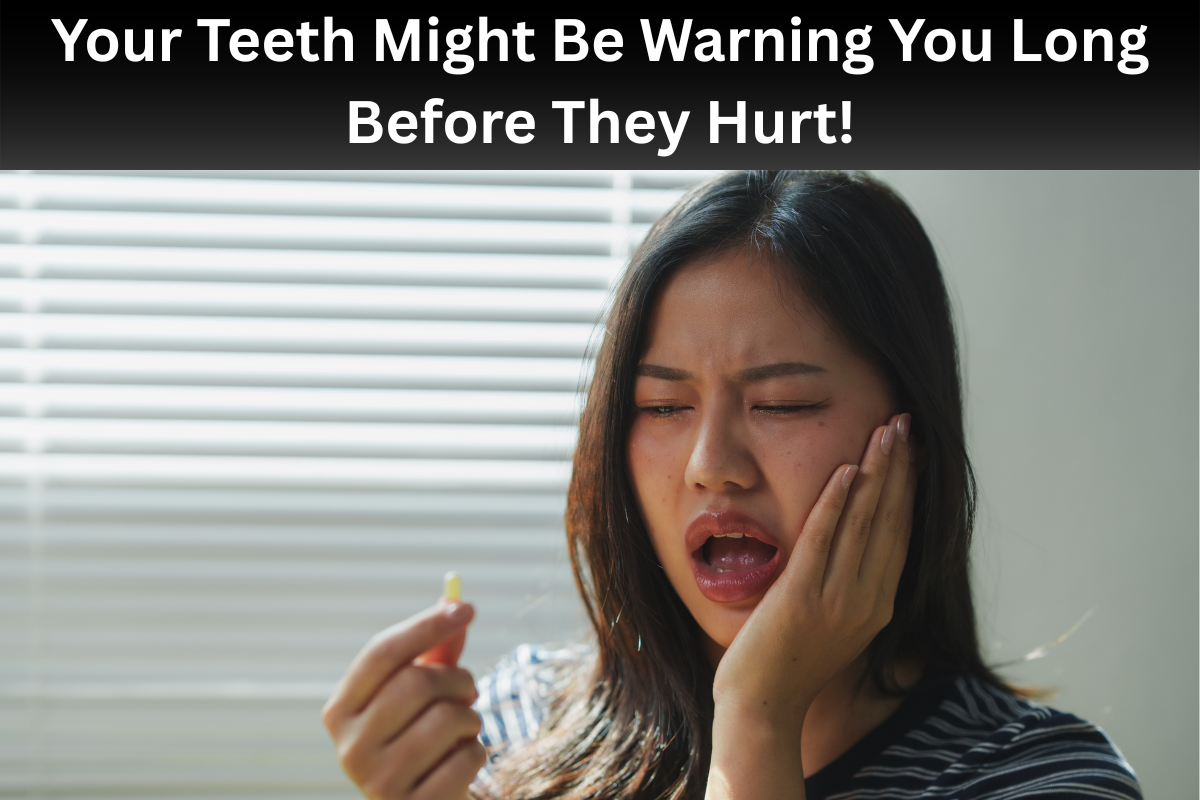
Your Teeth Might Be Warning You Long Before They Hurt – Here’s What to Watch For
You take a sip of iced coffee one morning and suddenly pause.
Why did that tooth feel… different?
Not painful exactly. Just sensitive. A little “off.”
Most people assume serious dental problems always come with obvious pain. But in reality, some of the earliest signs of tooth damage are almost silent. By the time discomfort becomes impossible to ignore, enamel loss, tooth decay, cracks, or gum problems may already be progressing beneath the surface.
That’s why recognizing early tooth damage signs matters more than most people realize.
For families across St. Louis, MO, catching these subtle warning signals early can mean the difference between a simple preventive visit and a much bigger dental procedure later on.
The Biggest Myth About Dental Problems
One of the most common misconceptions in oral health is:
“If it doesn’t hurt, it’s probably fine.”
Unfortunately, teeth don’t always work that way.
Enamel doesn’t contain nerves, so damage can develop quietly for months before pain appears. Tiny cracks, weakening enamel, early cavities, bite pressure issues, and gum inflammation often begin silently.
That’s why many patients searching for a “Dentist near me” are surprised to learn their issue started long before symptoms became obvious.
Early Tooth Damage Signs Most People Ignore
1. Increased Sensitivity to Hot or Cold
If cold drinks suddenly make you wince — even briefly — your enamel may be thinning.
This often happens because:
- Enamel is wearing down
- Gums are receding
- Small cavities are forming
- Tiny cracks are exposing sensitive layers of the tooth
Occasional sensitivity may seem minor, but recurring sensitivity is one of the most overlooked early warning signs.
2. Teeth Looking More Yellow Than Before
Many people assume yellowing only means staining from coffee or tea.
Sometimes that’s true. But in other cases, enamel erosion allows the darker dentin underneath to become more visible.
When enamel weakens:
- Teeth lose brightness
- Surface texture changes
- Teeth may appear dull or translucent around the edges
This is especially common in patients who grind their teeth at night or consume acidic drinks frequently.
What Causes Teeth to Weaken Quietly?
Several everyday habits can slowly damage teeth without obvious symptoms.
Common Hidden Causes Include:
- Nighttime teeth grinding
- Acidic beverages
- Dry mouth
- Skipping preventive dental visits
- Aggressive brushing
- Poor bite alignment
- Untreated gum disease
- Frequent snacking on sugary foods
Even patients with decent oral hygiene can develop weakening enamel over time.
That’s why preventive dental care plays such a major role in long-term oral health.
Small Cracks Can Become Big Problems
Tiny fractures in teeth are often invisible without a dental exam.
You may notice:
- Brief pain when chewing
- Sensitivity that comes and goes
- A rough edge on a tooth
- Discomfort when releasing your bite
These cracks can deepen over time, especially if left untreated.
In some cases, what begins as a minor issue eventually requires:
- Dental crowns
- Root canal treatment
- Tooth extraction
- Restorative dentistry procedures
Early diagnosis helps preserve more natural tooth structure.
Gum Changes Are Often the First Warning Sign
Your gums protect the foundation of your smile.
If they begin pulling away from teeth, it can expose sensitive root surfaces and increase the risk of decay.
Watch for:
- Bleeding when brushing
- Puffy gums
- Persistent bad breath
- Gum recession
- Teeth appearing longer
These symptoms may point toward early gum disease, which can quietly weaken supporting bone over time. Many patients don’t realize bleeding gums can signal a deeper issue. Learn more about the early signs of gum disease and the warning symptoms you should never ignore.
Why Waiting for Pain Can Cost You More
Dental pain usually appears after damage has progressed deeper into the tooth.
By then:
- Cavities may be larger
- Cracks may spread
- Infection risks increase
- Treatment becomes more involved
Preventive care is almost always simpler, faster, and less invasive than emergency treatment.
If symptoms suddenly become severe, don’t wait. Here are 7 signs you should see a dentist immediately before the problem becomes more serious.
A Quick Comparison: Early vs. Advanced Tooth Damage
| Early Warning Signs | Advanced Symptoms |
| Mild sensitivity | Severe toothache |
| Slight discoloration | Dark visible decay |
| Minor gum bleeding | Swollen or infected gums |
| Occasional chewing discomfort | Sharp pain when biting |
| Small enamel wear | Cracked or broken teeth |
| Temporary sensitivity | Persistent pain |
Recognizing problems early gives your dentist more conservative treatment options.
What a Dentist Looks for During Preventive Exams
A preventive dental visit is about much more than cleaning teeth.
Your dentist evaluates:
- Enamel wear patterns
- Bite alignment issues
- Early tooth decay
- Gum health
- Hidden fractures
- Signs of grinding or clenching
- Oral cancer screening
- Existing restorations like dental crowns
Sometimes the smallest findings today help prevent major procedures later.
Patient Trust & Experience
Many patients don’t realize their teeth are weakening until a routine dental visit uncovers early warning signs that haven’t caused pain yet.
One St. Louis patient shared in a Google review how comfortable and informed they felt throughout treatment, saying:
Thank you Dr. Cook and Melissa for the wonderful care you provided. Dr. Cook was amazing and talked me through each step of my procedure and asked if I was experiencing any pain — none at all. She was very gentle and made sure her work did not need any adjustments. I could not be happier with my care. Everyone on staff was welcoming and kind as usual. They all make you feel at ease.
Jasmin
The patient also mentioned appreciating how clearly financial details were explained, adding praise for team member Daniel for taking the time to go over charges thoroughly and professionally.
Experiences like these are one reason many local families continue prioritizing preventive dental care before small oral health concerns become bigger problems.
You can also explore what patients across St. Louis are saying through Google reviews for Dr. Waite and Associates.
Meet Our Team
At Dr. Waite and Associates, the focus is on helping patients identify dental problems before they become stressful or painful.
The team takes time to explain changes in your oral health clearly, answer questions honestly, and create treatment recommendations based on your individual needs — not pressure.
If you’ve noticed sensitivity, enamel changes, or unusual symptoms, scheduling an evaluation early may help protect your smile from more extensive treatment later.

Meet Our Team at Dr. Waite and Associates
Call Today to Schedule Your Dental Visit Before Small Problems Become Bigger Concerns
When Should You Schedule a Dental Visit?
You should contact a dentist if you notice:
- Ongoing tooth sensitivity
- Bleeding gums
- Pain when chewing
- Chipped or rough teeth
- Persistent bad breath
- Changes in smile appearance
- Loose teeth
- Sudden discoloration
Even mild symptoms deserve attention when they continue for more than a few days.
Protecting Your Teeth Before Serious Damage Starts
Small daily habits make a major difference.
Smart Preventive Habits:
- Use a soft-bristle toothbrush
- Wear a nightguard if you grind teeth
- Limit acidic beverages
- Stay hydrated
- Keep up with routine cleanings
- Address bite alignment problems early
- Don’t ignore sensitivity
Preventive dentistry is ultimately about preserving healthy natural teeth for as long as possible.
FAQs About Early Tooth Damage Signs
Can teeth weaken without pain?
Yes. Many dental problems begin silently because enamel does not contain nerves. Sensitivity, discoloration, or gum changes often appear before pain develops.
What are the earliest signs of enamel erosion?
Early signs include tooth sensitivity, yellowing teeth, rough edges, translucency near tooth tips, and increased staining.
Why do my teeth suddenly feel sensitive?
Sensitivity may result from enamel wear, gum recession, cavities, grinding, or tiny cracks in teeth.
Can stress damage teeth?
Yes. Stress commonly contributes to teeth grinding and clenching, which can wear down enamel and create fractures over time.
When should I see a dentist for sensitive teeth?
You should schedule an exam if sensitivity lasts more than several days, worsens, or affects eating and drinking comfortably.
Are weakened teeth reversible?
Early enamel damage can sometimes be strengthened with fluoride treatments and preventive care. More advanced damage may require restorative treatment.
Can gum disease weaken teeth?
Yes. Gum disease affects the supporting tissues and bone around teeth, increasing the risk of loosening and tooth loss.
What happens if a cracked tooth goes untreated?
Untreated cracks can deepen, leading to infection, pain, or tooth fracture that may require a crown, root canal, or extraction.
Don’t Wait for Dental Pain to Tell You Something Is Wrong
Your teeth often give subtle warnings long before a dental emergency happens.
The earlier you recognize those signs, the easier it may be to protect your enamel, avoid invasive treatment, and preserve your natural smile.
If you’ve noticed sensitivity, gum changes, chewing discomfort, or other unusual symptoms, the team at Dr. Waite and Associates in St. Louis, MO can help evaluate what’s happening and recommend the right next steps for your oral health. Scheduling a preventive visit today may help you avoid bigger dental problems tomorrow.