
St. Louis, MO
The Truth About Skipping “Just One” Dental Checkup
When “I’ll Just Reschedule” Becomes a Habit
Your calendar is packed. Between work, kids’ practices, and the one trip you finally booked, moving your six-month cleaning to “sometime next month” feels harmless. Nothing hurts. Your teeth look fine in the mirror. What’s the harm in skipping just one? It’s a situation that many people who visit a professional dentist in St. Louis find themselves in at some point.
Here’s the part most people don’t expect: that single decision is rarely the last one. One skipped checkup quietly turns into two, and two turns into “I’ll go next year.” Your mouth, unfortunately, doesn’t wait for a convenient time to change.
When “Nothing Hurts” Doesn’t Mean Nothing’s Wrong
Pain is usually the last symptom to show up, not the first. Tooth decay can grow for months before it ever reaches a nerve. Gum disease often starts as tender, slightly puffy gums that bleed a little during flossing – easy to notice, even easier to brush off.
That’s the real risk behind skipping dental checkups: it’s not that you’ll see a problem and choose to wait. It’s that you won’t see anything at all, right up until you do.
Even before you mention a concern, experienced dentists often notice subtle signs that patients don’t realize they’re showing. If you’re curious about what those early clues are, read “What Dentists Notice in 10 Seconds That Patients Usually Miss.”
Why Regular Dental Visits Matter More Than They Seem To
A routine dental exam and cleaning does two things a bathroom mirror never can. First, it clears away plaque and tartar buildup your toothbrush can’t reach, especially along the gumline and between teeth. Second, it gives a trained eye – backed by X-rays – a chance to catch small problems while they’re still small.
Preventive dental care isn’t about having perfect teeth. It’s about catching issues early enough that a simple filling doesn’t quietly turn into a crown, or a crown into a root canal.
| Did You Know? The American Dental Association recommends a professional exam and cleaning roughly every six months for most adults – not because teeth get “dirty” on a schedule, but because that’s about how long it takes early tooth decay and gum disease to go from barely noticeable to needing treatment. |
What Silent Damage Can Look Like
Skipping routine dental exams doesn’t create one specific problem. It opens the door to several, and they tend to show up together:
- Cavities without pain: tooth decay can hollow out a tooth from the inside before you ever feel it, since enamel itself has no nerve endings.
- Early gum disease: bleeding or swollen gums are often dismissed as normal, but left untreated, gingivitis can progress toward more serious gum disease that loosens teeth over time.
- Cracked or failing fillings: old dental work wears down, and a hairline crack can let bacteria in without any noticeable symptoms.
- Plaque buildup and enamel wear: left alone long enough, this can lead to more sensitive teeth and a duller-looking smile.
Small dental problems rarely stay small. A tiny cavity, a worn filling, or mild gum inflammation can become much more complicated when left untreated. Learn more in “That ‘Small’ Tooth Problem Is Growing! Here’s What Ignoring Dental Problems Really Costs You.“
Here’s how those early signs typically line up with what’s actually happening underneath — a helpful reference if you’re weighing whether to book that overdue visit:
| What You Might Notice | What Could Actually Be Happening | Typical Timeline |
|---|---|---|
| No pain, teeth look normal | Early enamel decay starting between teeth | 6–18 months before pain appears |
| Occasional bleeding when flossing | Early-stage gum disease (gingivitis) | 3–12 months before it advances |
| Small chip or rough spot on an old filling | Bacteria entering through a cracked filling | Weeks to a few months |
| Mild bad breath that comes and goes | Bacteria buildup below the gumline | Ongoing — tends to worsen over time |
What a Professional Teeth Cleaning and Exam Actually Covers
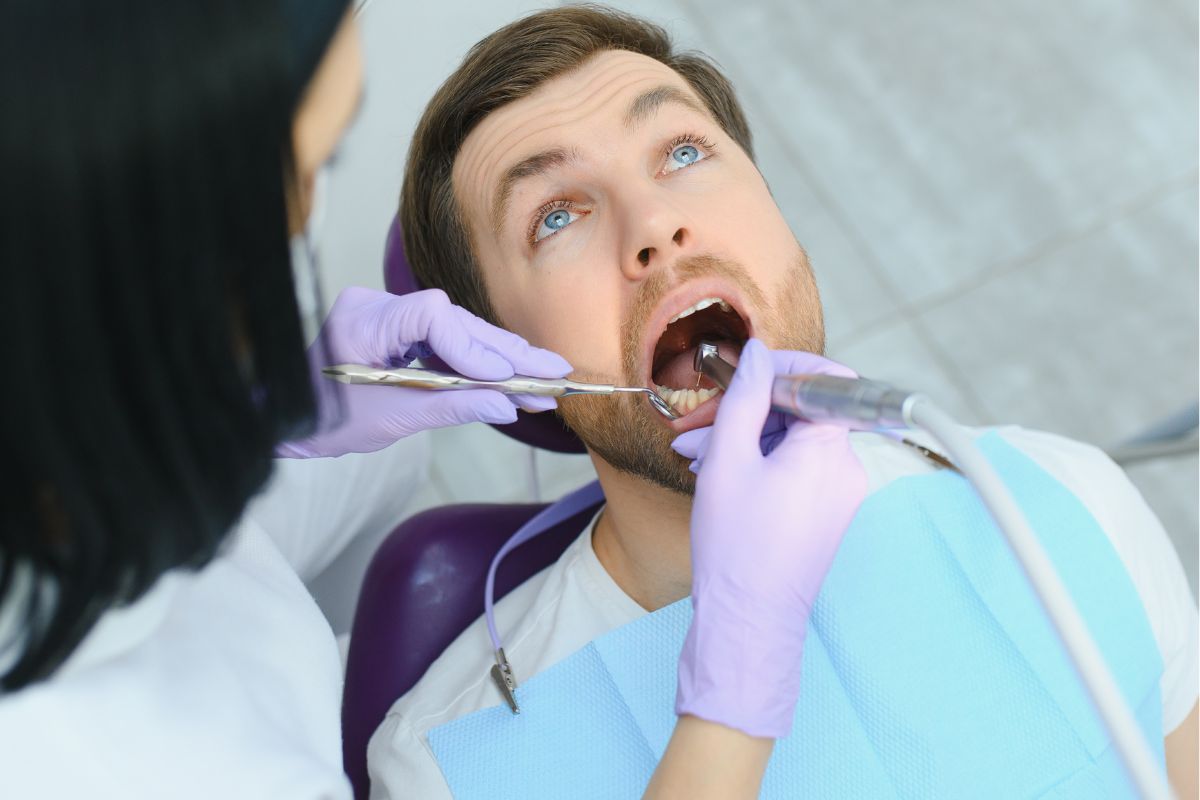
A routine visit is more thorough than it looks from the dental chair. A typical checkup at a practice like Dr. Waite & Associates includes:
- A full oral health screening covering enamel condition, gum tissue, and bite alignment
- Professional teeth cleaning to clear plaque and tartar buildup below the gumline
- Digital X-rays to spot decay between teeth or below the gumline that isn’t visible to the eye
- A review of existing restorative dentistry, like older fillings or crowns, for wear or damage
- A conversation about your oral hygiene routine, tailored to what your mouth actually needs
None of this requires anything dramatic on your part. It just requires showing up.
Wondering what your dentist is evaluating before the cleaning even begins? “7 Things Your Dentist Notices the Moment You Sit Down“ offers a behind-the-scenes look at the small details that help identify potential concerns early.
Trusted Preventive Care for St. Louis Families
At Dr. Waite & Associates, preventive care has been part of daily practice inside a hospital-housed dental office in St. Louis for years. That setting gives patients access to the same collaborative, technology-supported approach used across the broader Mercy health system, applied specifically to oral health.
Meet Your Dentist

Dr. Stuart Waite has practiced dentistry in the St. Louis area for more than three decades, working alongside a team of associate dentists inside Mercy Hospital St. Louis. His approach centers on catching small issues early, before they turn into bigger, more invasive treatment down the road. Meet Dr. Waite and learn more about your treatment options. Schedule an appointment now!
⭐⭐⭐⭐⭐ Barb Martin
Excellent care!! The staff and doctors are outstanding. You most definitely feel genuine care for you and your dental health.
Getting Back on Track Is Simpler Than It Feels
Skipping one dental checkup rarely feels like a big decision in the moment. But teeth and gums don’t send a warning before small problems grow into bigger, more expensive ones. The good news is that reversing the habit doesn’t take much: one phone call, one appointment, and you’re caught back up. Call us to book an appointment!
Frequently Asked Questions
1. How often should I really go to the dentist if my teeth feel fine?
Most adults should keep a checkup and cleaning every six months, even without symptoms. Feeling fine doesn’t rule out early tooth decay or gum disease, since both tend to develop without pain at first.
2. Can a cavity really grow without causing any pain?
Yes. Enamel has no nerve endings, so decay can spread through it silently. Pain usually only shows up once decay reaches the inner layers of the tooth, which is why routine exams and X-rays matter.
3. What are the early signs of gum disease I shouldn’t ignore?
Bleeding when you brush or floss, puffy or tender gums, and mild bad breath that keeps coming back are common early signs. These are often reversible with professional cleaning and better home care if caught soon enough.
4. Is a dental cleaning appointment the same as a checkup?
Not quite. A cleaning focuses on removing plaque and tartar, while a full checkup also includes an exam, X-rays when needed. Most routine visits include both.
5. How long can I safely skip a dental checkup before it becomes a problem?
There’s no universal timeline, since it depends on your oral health history, but many early-stage issues progress over roughly six to eighteen months. Waiting longer increases the odds that a small issue turns into a bigger one.
6. Do older fillings need to be checked even if they don’t hurt?
Yes. Fillings wear down or develop small cracks over time, sometimes without any pain. A routine exam catches this early, before bacteria can get underneath and cause new decay.
7. What’s included in a typical visit at Dr. Waite & Associates?
A standard visit includes a full oral health screening, professional cleaning, digital X-rays as needed, and a review of any existing dental work, along with time to answer your questions.