
St. Louis, MO
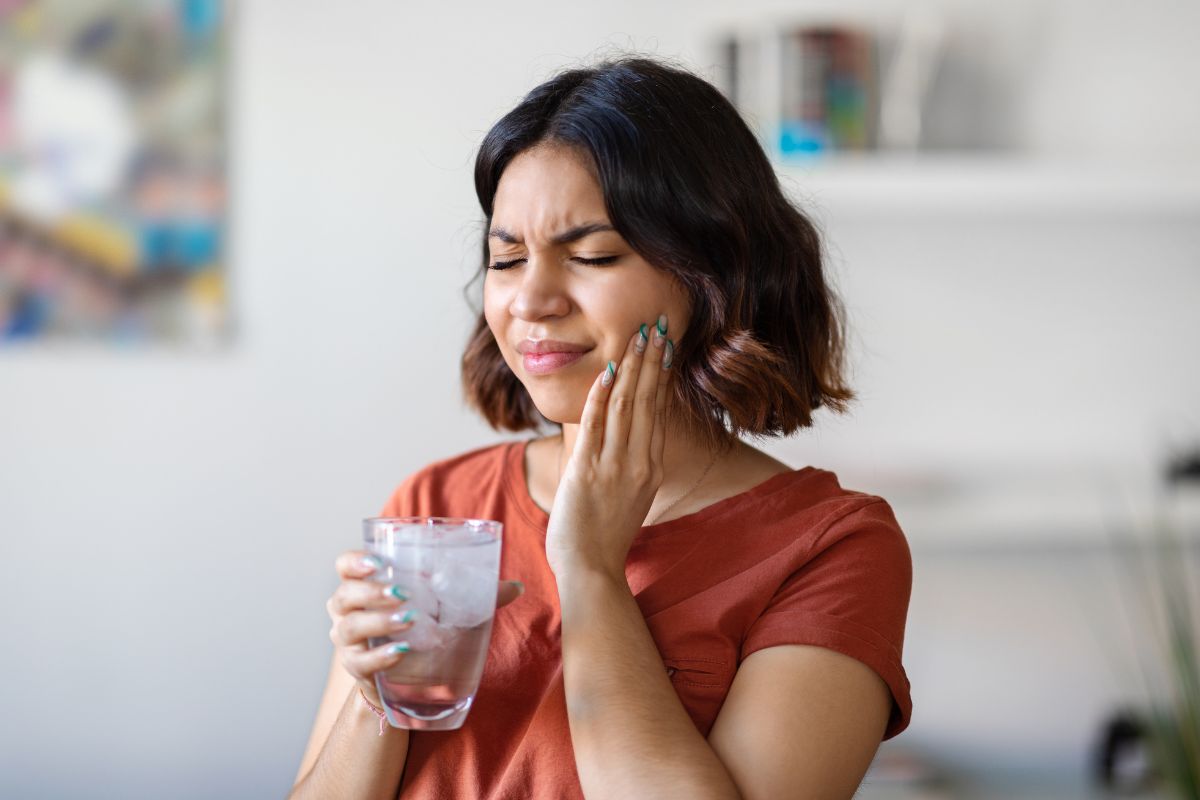
Why Does Your Tooth Suddenly Hurt on a Holiday Weekend in St. Louis?
The Fireworks Aren’t the Only Thing Popping This Weekend
You’ve got the burgers on the grill, the cooler is stocked, and the whole block is ready for Fourth of July. Then, out of nowhere, a sharp jolt of tooth pain hits when you bite into an ice-cold lemonade or a rack of ribs. It’s the kind of pain that stops a conversation mid-sentence — and of course, it shows up on a holiday weekend, when most dental offices in St. Louis are closed.
You are not imagining it. Tooth pain really does seem to strike on weekends and holidays more often than any other time. There’s a reason for that, and understanding it is the first step toward getting real relief instead of just white-knuckling it until Tuesday. The sooner you can have the problem evaluated by a dental professional, the easier it is to identify the cause and begin the right treatment.
Why Tooth Pain Always Seems to Strike at the Worst Time
Holiday weekends change your habits in small ways that add up. You’re eating more sugary drinks, chewy barbecue, ice cubes, and cold desserts. You’re also skipping your normal routine — brushing later, flossing less, maybe clenching your jaw during a stressful family gathering. Any one of these on its own might not cause a problem. Together, they can wake up a tooth that was already quietly struggling.
Sensitive teeth, a small cavity, or a hairline crack can sit silent for weeks. Add heat, cold, sugar, and pressure from a cookout table, and that quiet problem becomes a throbbing one — usually right when you can’t just walk into a dental office.
Did You Know?
Dental emergency visits rise noticeably around major U.S. holidays. Cold drinks, ice, sticky sweets, and skipped brushing routines are among the most common triggers dentists see the day after a holiday cookout.
What Sudden Tooth Pain Is Really Telling You
Tooth pain is a message, not a random inconvenience. It usually means one of a few things is going on beneath the surface: worn enamel exposing a nerve, a small cavity reaching the inner layer of the tooth, a cracked filling, or early gum disease pulling away from the tooth root. Each of these has a different fix, but they share one thing in common — they rarely get better on their own.
This matters because the same jolt of pain that ruins your barbecue is often your body’s earliest, clearest warning sign. Catching it early usually means a simpler, more comfortable, more affordable fix than waiting until the pain becomes constant.
Toothache vs. Dental Emergency: How to Tell the Difference
| Symptom | Mild Sensitivity | Dental Emergency |
|---|---|---|
| Pain with cold or sugar | Fades within seconds | Lingers for minutes or longer |
| Swelling | None | Visible swelling in face or gum |
| Pain level | Mild, comes and goes | Sharp, throbbing, constant |
| Fever | No | Possible — sign of infection |
| Bite pressure | Slight discomfort | Sharp pain when biting down |
| Best next step | Schedule a routine visit | Call for same-week emergency dental care |
What Happens If You Wait Until Tuesday
It’s tempting to grab an over-the-counter pain reliever and hope it passes. Sometimes it does. But tooth pain caused by decay, a crack, or gum disease doesn’t heal itself — it tends to get worse the longer it’s ignored, especially with a few extra days of holiday eating and drinking working against it.
Waiting can turn a simple filling into a root canal. It can turn early gum irritation into an infection that spreads to the jaw. And it almost always turns a low-cost visit into a bigger, more involved — and more expensive — treatment. If a tooth is throbbing, sensitive to temperature for more than a few seconds, or painful when you bite down, that’s your cue to get it looked at, not to wait it out. Call us now to schedule an appointment!
Many dental problems don’t become emergencies overnight. What starts as mild sensitivity or occasional discomfort can gradually develop into a painful infection or a more complex treatment if left unchecked. If you’ve ever wondered whether a small tooth problem can really become a big one, read “That “Small” Tooth Problem Is Growing! Here’s What Ignoring Dental Problems Really Costs You” to understand why early treatment almost always saves time, discomfort, and money.
What a St. Louis Dentist Can Do Right Away
The good news is that most sudden tooth pain has a fast, manageable solution once a dentist can actually see what’s happening. An exam and a quick X-ray usually reveal the exact cause — whether that’s a cavity, a cracked tooth, a loose filling, or irritated gum tissue — so treatment can target the real problem instead of just masking the pain.
- Same-week or emergency appointments for holiday and weekend tooth pain, so you’re not stuck waiting days for relief.
- Digital X-rays on-site to quickly pinpoint decay, cracks, or infection near the tooth root.
- Gentle, direct treatment such as a filling, bonding, or a deep cleaning, matched to what’s actually causing the pain.
- Sensitivity relief options for enamel wear so cold drinks and ice cream stop being a gamble.
- Clear next steps explained in plain language, with no pressure and no guesswork.
What St. Louis Patients Are Saying
⭐⭐⭐⭐⭐ Ray Weick
“Nobody loves going to have a dental procedure, but the doctor and team made it as painless and pleasurable as possible. I appreciate it!”
Patients throughout St. Louis consistently mention the caring atmosphere, gentle treatment, and friendly team at Dr. Waite and Associates. Whether you’re visiting for a routine dental appointment or unexpected tooth pain, the goal is always to make your experience as comfortable and stress-free as possible.
Read more Google Reviews to see why so many St. Louis families trust Dr. Waite and Associates for their dental care.
Don’t Spend the Rest of Your Holiday in Pain
If your tooth is hurting right now, our St. Louis team can help you find relief fast — book your visit today.
Schedule Your Appointment!
What to Do Right Now If Your Tooth Hurts
While you’re waiting for your appointment, a few simple steps can keep the pain manageable and protect the tooth from getting worse.
- Rinse with warm salt water to reduce irritation around the tooth and gums.
- Avoid extreme temperatures — skip the ice water and hot coffee until you’re seen.
- Take an over-the-counter pain reliever as directed on the label if needed.
- Don’t chew on that side of your mouth to avoid making a crack or cavity worse.
- Call a dentist as soon as possible rather than waiting to see if it resolves on its own.
Once this immediate issue is under control, it’s worth taking a closer look at the everyday habits that may have contributed to the problem in the first place. Many people unknowingly damage their teeth through routines that seem completely harmless. Discover “Are You Accidentally Damaging Your Teeth Every Day? 7 Hidden Habits Most People Never Suspect” and learn how small daily changes can help protect your smile year-round.
Frequently Asked Questions
Why does my tooth hurt more on weekends and holidays?
Holiday eating habits — more sugar, ice, cold drinks, and skipped brushing — can irritate a tooth that already has a small cavity, crack, or exposed nerve, making pain more noticeable during weekends and holidays.
Is sudden tooth pain always an emergency?
Not always. Mild, short-lived sensitivity to cold is often manageable, but sharp, constant, or throbbing pain — especially with swelling or fever — usually means you should see a dentist right away.
What can cause a tooth to suddenly hurt when it didn’t before?
Common causes include a new cavity, a cracked filling or tooth, gum recession exposing the root, or early gum disease. An exam and X-ray are the most reliable way to identify the exact cause.
Can sensitive teeth turn into something more serious?
Yes. Sensitivity is often an early warning sign of worn enamel or a small cavity. Left untreated, it can progress into deeper decay or nerve involvement that requires more extensive treatment.
What should I do if I can’t get a dental appointment right away?
Rinse with warm salt water, avoid very hot or cold foods, take an over-the-counter pain reliever as directed, and avoid chewing on the affected side until you can be seen.
How do I find a dentist near me for emergency tooth pain?
Search for a local dental office that offers same-week or emergency appointments, and call ahead to describe your symptoms so the team can prioritize your visit.
How can I prevent tooth pain during future holidays?
Stick to your normal brushing and flossing routine even during busy weekends, limit ice-chewing and sugary drinks, and schedule regular checkups so small issues are caught before a holiday cookout finds them first.