St. Louis, MO
Teeth Whitening Myths That Are Secretly Ruining Your Smile
Everyone loves the idea of a brighter smile. However, often, in the pursuit of quick whitening results, many people accidentally harm their teeth. With popular DIY hacks, harsh products, and misunderstandings floating around, enamel can get weakened, and sensitivity can increase. All these causes long-term oral health problems.
If you’re aiming for a safe, confident smile, it’s so important to get the facts straight. Learn about the truth behind whitening myths before any permanent damage happens.
Why Teeth Whitening Needs Professional Care?
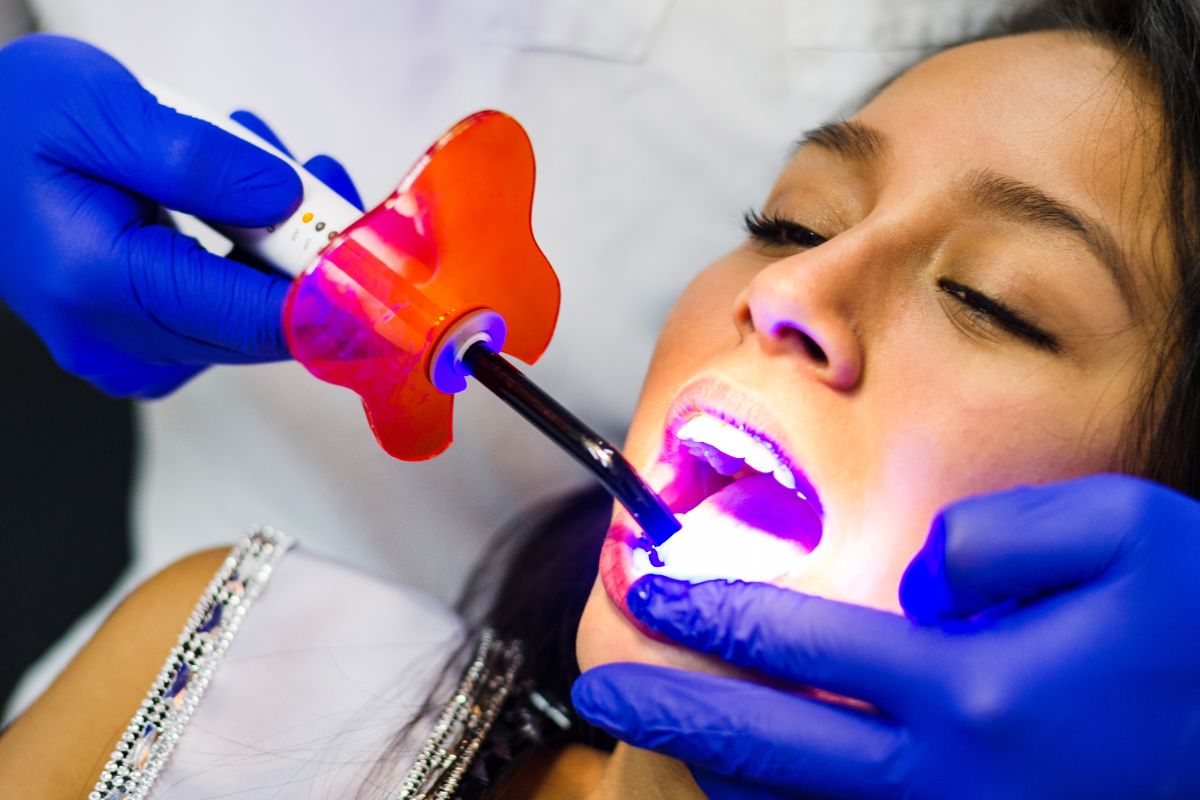
Teeth are protected by enamel, a thin layer that does not regenerate. Once damaged, sensitivity, discoloration, and decay risk increase permanently. That’s why patients eventually seek professional teeth whitening in St. Louis instead of relying on harmful home remedies. Under professional care, whitening is controlled, enamel-safe, and far more effective.
Myth #1: Baking Soda & Lemon Are Safe Whitening Remedies
This viral combo is one of the most damaging whitening trends. Lemon juice is highly acidic, while baking soda is abrasive. Together, they:
- Strip enamel
- Causes severe sensitivity
- Increase cavity risk
- Make teeth darker long-term
Many patients turn to cosmetic dentistry professionals in St. Louis after these DIY methods cause irreversible enamel damage.
Myth #2: Whitening Toothpaste Can Replace Professional Whitening
Whitening toothpaste only removes surface-level stains. It cannot:
- Change tooth shade
- Lift deep discoloration
- Deliver long-lasting results
Overuse can actually thin enamel. Professional teeth whitening service treatments provide deeper, safer, and longer-lasting whitening. Call us today for professional whitening solutions.
Myth #3: More Whitening Strips Mean Faster Results
Overusing whitening strips causes:
- Gum irritation
- Tooth sensitivity
- Enamel thinning
- Uneven whitening
Whitening must be carefully controlled to protect enamel and achieve balanced results.
Myth #4: Activated Charcoal Is Safe for Whitening
Charcoal is highly abrasive. While it removes surface stains temporarily, it:
- Scratches enamel
- Increases plaque buildup
- Causes long-term discoloration
Damaged enamel actually makes teeth appear darker, not whiter.

Myth #5: Professional Whitening Damages Teeth
This is one of the biggest misconceptions. Dentist-supervised teeth whitening treatments in St. Louis are:
- Enamel-safe
- Clinically tested
- Controlled for sensitivity
- Designed for long-term results
Professional whitening protects tooth structure while delivering visible brightness.
Signs Your Whitening Habits Are Hurting Your Teeth
If you notice:
- Sharp sensitivity
- Gum burning or irritation
- Translucent tooth edges
- Increased staining
Your enamel may already be damaged. Book your appointment now to know more and prevent permanent tooth damage.
What Actually Works for Safe Teeth Whitening?
The safest whitening results come from:
- Customized professional treatment
- Dentist-monitored application
- Enamel-protective formulas
- Long-term maintenance guidance
This ensures predictable results without harming your teeth.
Restore Your Smile Safely with Professional Whitening in St. Louis
At Dr. Waite and Associates, we believe that a bright smile shouldn’t damage your oral health. Professional cosmetic dentistry in St. Louis helps you achieve long-lasting, safe, and comfortable brightness. Call now to schedule your teeth whitening appointment with us.
Frequently Asked Questions about Professional Teeth Whitening in St. Louis
1. Is professional teeth whitening safe?
Dentist-supervised whitening treatments are meticulously crafted to ensure the safety and health of your enamel. It also delivers effective and satisfying results that meet your expectations.
2. How long does professional teeth whitening last?
Results usually last between 6 to 12 months, depending on your lifestyle, diet, and how well you take care of your oral hygiene. Remember, everyone’s different, so these timelines can vary a bit.
3. Does teeth whitening cause sensitivity?
You might experience some mild temporary sensitivity. However, don’t worry—our professional treatments include protective techniques designed to keep you comfortable and reduce any discomfort. We’re here to make sure your experience is as smooth as possible.
4. Can damaged enamel be restored?
Enamel can’t regrow on its own, but don’t worry! Cosmetic dentistry treatments are here to help protect and make your weakened teeth stronger, giving you a healthier, brighter smile.
5. Who should avoid teeth whitening?
It’s best for patients with severe enamel erosion, gum disease, or untreated cavities to first get proper treatment before considering whitening. This way, their dental health is well taken care of, ensuring safe and effective results.