
St. Louis, MO
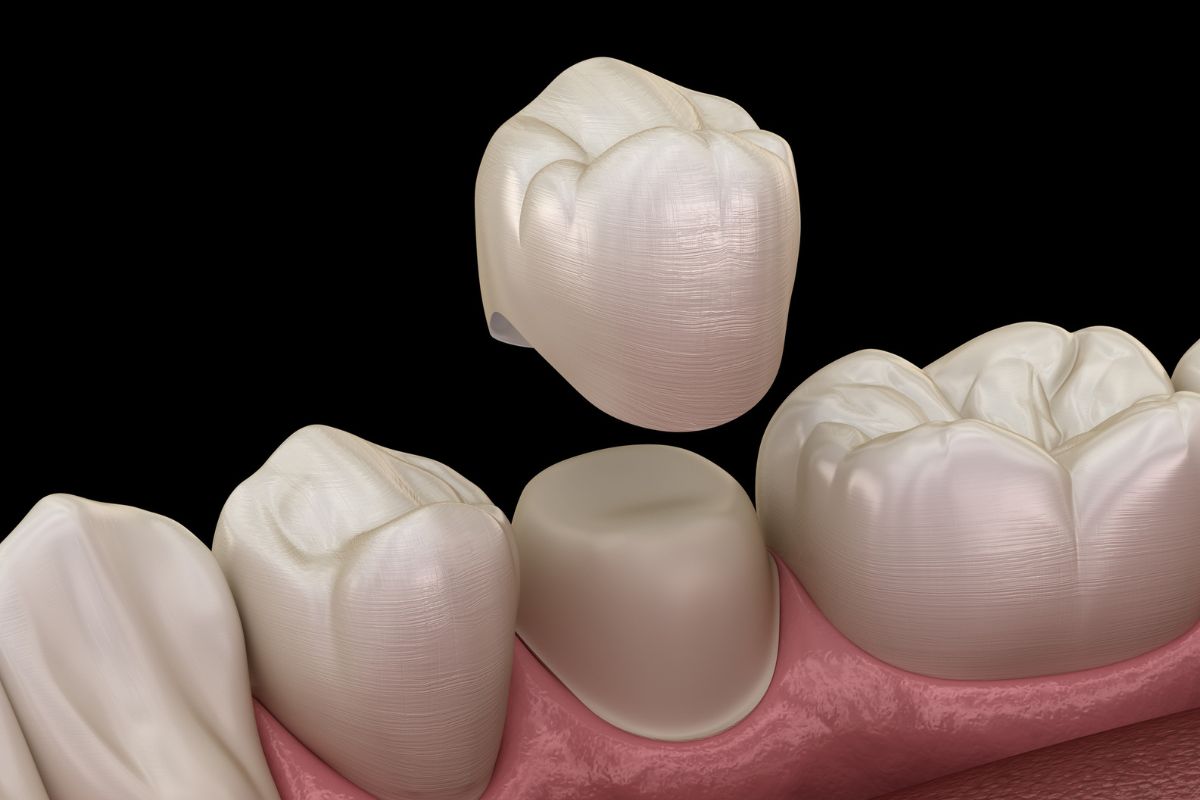
How To Care For A Newly Placed Dental Crown?
Receiving a dental crown is a major step toward restoring strength, comfort, and confidence in your smile. While the restoration itself is durable, how you care for it during the first days and weeks is crucial for long-term success. Proper aftercare protects the treated tooth, supports surrounding gum health, and helps you avoid unnecessary complications.
This guide explains what to expect, what to avoid, and how to maintain your restored tooth for years.
What To Expect Immediately After Placement?
After your visit, mild sensitivity is common. Your tooth and surrounding tissues may feel tender for a few days. The response is normal and usually improves quickly. You may notice sensitivity to temperature or pressure. This happens because the underlying tooth structure is adjusting. If your bite feels uneven, contact your dentist promptly. Bite alignment issues should be corrected early to prevent stress on the restoration.
During this phase, carefully follow the recommendations for caring for your dental work after placement to allow proper healing. If you notice any failure symptoms, such as persistent discomfort or noticeable changes in your bite, don’t hesitate to get a professional evaluation.
Eating And Drinking: What Helps And What Hurts?
Your restored tooth needs time to settle. Food choices matter, especially during the first week.
Helpful habits include:
- Eat soft foods like eggs, yogurt, soups, and cooked vegetables
- Chew on the opposite side when possible
- Drink water frequently to keep the mouth clean
Avoid habits that may compromise stability:
- Sticky foods like caramels or chewing gum
- Hard foods such as ice, nuts, or hard candy
- Using teeth to open packages
Patients often come with the question of what to eat after capped teeth. Well, to maintain a soft, non-sticky food diet to reduce pressure and help the tooth adapt comfortably. Also, consider avoiding hard food items as the caution applies here, too.
Brushing And Flossing Without Causing Damage
Daily hygiene is essential. A restored tooth still needs routine care to prevent decay around the margins.
Brush gently twice daily using a soft-bristled toothbrush. Focus on the gumline where plaque can collect. Floss carefully by sliding the floss out sideways instead of snapping upward. This protects the adhesive seal.
Understanding how long a porcelain crown lasts often comes down to consistent home care. Healthy gums and clean margins directly support longevity.
Managing Sensitivity And Discomfort Safely
Temporary discomfort may occur, especially when biting or drinking cold liquids. Use toothpaste designed for sensitive teeth. Avoid extreme temperatures during early recovery.
Over-the-counter pain relief may help if approved by your provider. Persistent pain, swelling, or sharp discomfort is not normal. These signs should be evaluated promptly.
Learning how to reduce sensitivity after dental crown placement helps patients recover faster and with less stress. If you experience an issue similar to this, consult your local dentist immediately to address any concerns with your restoration.
Protecting Your Restoration From Daily Wear
Even strong restorations can wear down with poor habits. Avoid clenching, grinding, or chewing ice. If you grind your teeth at night, ask about protective oral appliances.
Do not skip routine dental visits. Professional exams allow early detection of issues beneath the surface.
Patients frequently ask whether they can chew normally with a tooth cap. Yes, once healed, normal chewing is expected with proper protection and care. Just make sure to follow your dentist’s advice to prevent unnecessary wear.
Long-Term Care For Lasting Results
Your restoration is designed to function like a natural tooth. Long-term success depends on consistency.
Key habits include:
- Daily brushing and flossing
- Regular dental checkups
- Avoiding tobacco products
- Wearing protection during sports
If you notice any looseness, pain, or changes in your bite, do not delay care. Early intervention preserves both the restoration and the underlying tooth.
However, with proper maintenance, your dental work can serve reliably for many years, restoring comfort and confidence.
Ensuring Lasting Comfort And Confidence With Every Visit
Caring for your newly placed dental crown is simple when you follow the habits mentioned above. With gentle hygiene, mindful eating, and regular oral visits, your treatment will remain functional, comfortable, and long-lasting. It’s important to remember that any discomfort or concerns you may experience are normal in the early stages of healing. However, if you notice any changes, whether it’s discomfort or looseness, don’t hesitate to reach out to us. We’re here to provide you with the best care and ensure your restoration stays intact for years.
At Dr. Waite and Associates, we are committed to your comfort and oral health. If you have any questions or need guidance on maintaining your dental crown, or if you need one, schedule an appointment with us today. Together, we’ll help you keep your smile bright and healthy for the long run!
FAQs
1. Why do I need a dental crown?
A tooth cap restores strength and function to a tooth that’s cracked, decayed, or heavily filled. It also protects teeth after extensive restorations or root canal treatments, reducing the risk of further damage.
2. Will my restored tooth look natural?
Yes. Our modern crowns are custom‑made to match your tooth color and shape, blending seamlessly with your smile. Patients commonly find that their restored tooth feels and appears just like the surrounding teeth.
3. How long can I expect a crown to last?
With good daily hygiene and routine dental checkups, a prosthetic crown can last a decade or longer. Lifespan varies by material, location in the mouth, and how well you care for it.
4. Can I eat normally with a crowned tooth?
Yes! Once fully settled, you can eat most foods comfortably and confidently. Just be mindful of very hard or sticky items early on, as they can stress the restoration.
5. Do crowns require special care beyond regular teeth?
No special products are required, but gentle brushing and careful flossing around the restoration are essential. Regular dental cleanings and checkups help catch underlying issues before they affect the treatment.