
St. Louis, MO
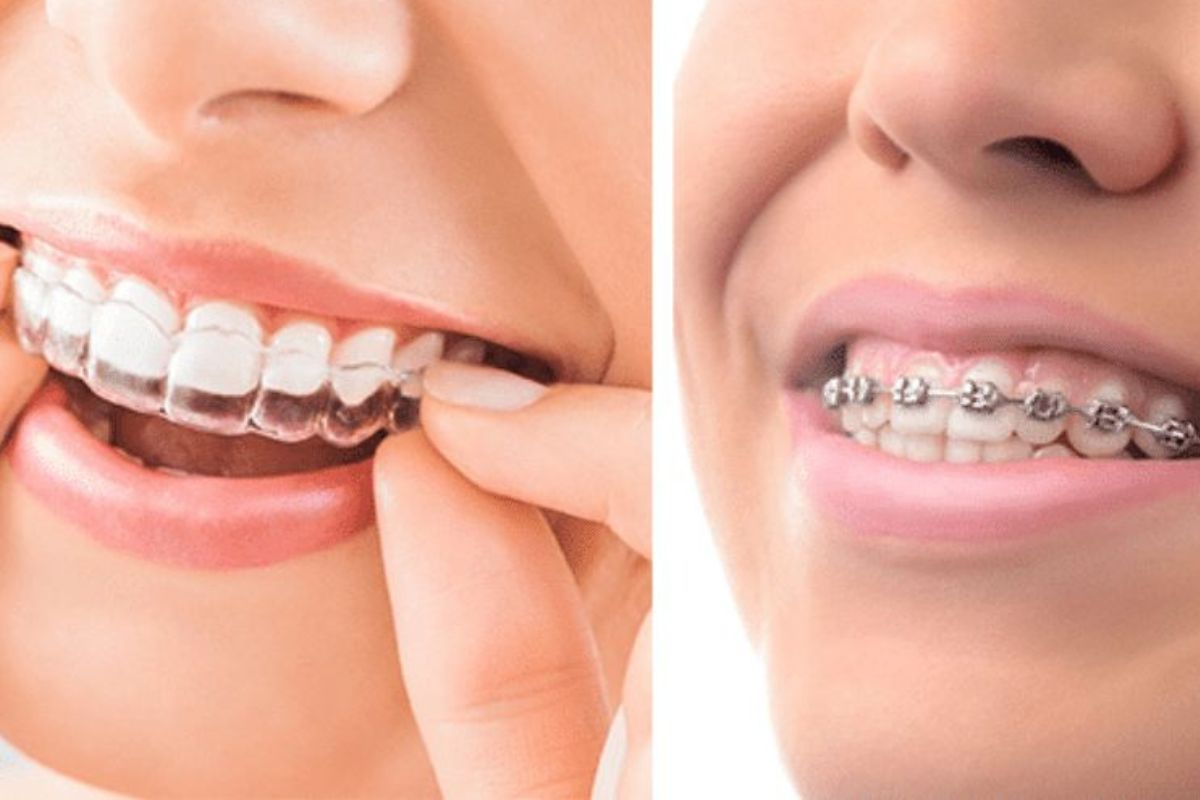
Invisalign or Braces for Adults? What St. Louis Patients Need to Know Before Choosing
The Smile You Want vs. The Life You Live
You’ve been thinking about straightening your teeth for years—but life keeps getting in the way. Work meetings, social events, photos, first impressions… as an adult, your smile matters more than ever.
So now you’re stuck on one big decision:
Invisalign vs braces for adults—what actually fits your lifestyle, confidence, and long-term goals?
If you’re in St. Louis and considering orthodontic treatment, this guide will break it down in a simple, honest way—so you can make the right choice without confusion or regret.
The Problem: Adult Orthodontics Isn’t One-Size-Fits-All
Unlike teens, adults have different priorities:
- You want discreet treatment
- You need something that fits your busy schedule
- Comfort and convenience matter just as much as results
That’s where the debate between clear aligners vs braces becomes important. The wrong choice can affect not just your smile—but your daily routine.
Why This Decision Matters More Than You Think
Choosing the right orthodontic option impacts:
- Your confidence during treatment
- Your oral hygiene habits
- Your treatment timeline
- Your final results
And in some cases, choosing the wrong option could lead to:
- Longer treatment times
- Frustration with appearance or discomfort
- Additional corrective procedures later
That’s why understanding your options is critical before starting orthodontic treatment for adults.
Invisalign vs Braces for Adults: What’s the Real Difference?
1. Appearance: Subtle vs Noticeable
Invisalign (Clear Aligners):
- Nearly invisible
- Ideal for professionals and social settings
- No metal brackets or wires
Braces:
- Visible metal or ceramic brackets
- More noticeable in conversations and photos
- If appearance is a top concern, Invisalign often feels like a more natural fit.
2. Comfort & Daily Life
Invisalign Benefits:
- Smooth plastic trays (less irritation)
- Removable for eating and brushing
- No food restrictions
Braces:
- Can cause irritation initially
- Food restrictions (no sticky/hard foods)
- Requires more care when cleaning
Adults with busy routines often prefer the flexibility Invisalign offers.
3. Treatment Effectiveness
Braces:
- Better for complex cases
- Precise control over tooth movement
- Works continuously (no removal)
Invisalign:
- Best for mild to moderate alignment issues
- Requires discipline (20–22 hours/day wear)
- For more advanced corrections, braces may still be recommended.
4. Treatment Time
- Invisalign: Typically 6–18 months
- Braces: Usually 18–24 months
However, treatment time depends on your specific case—not just the method.
5. Maintenance & Hygiene
Invisalign:
- Easy brushing and flossing
- Must clean aligners regularly
Braces:
- Requires special tools for cleaning
- Higher risk of plaque buildup if not careful
Adults focused on oral health often appreciate Invisalign’s simplicity.
Still unsure which option fits your specific needs? Every smile is different, and the right choice depends on more than just appearance or convenience.
Check out our detailed guide on how to know if you need braces or clear aligners to better understand which treatment may be right for you.
The Hidden Risks of Choosing the Wrong Option
Many adults rush into treatment based on trends or appearance alone.
Here’s what can go wrong:
- Poor compliance with Invisalign → delayed results
- Choosing braces when aesthetics matter → reduced confidence
- Ignoring complexity of case → ineffective treatment
That’s why a professional evaluation matters more than online comparisons.
Professional Guidance: What Dentists Look At
At Dr. Waite and Associates in St. Louis, MO, treatment isn’t one-size-fits-all.
Your provider will assess:
- Tooth alignment severity
- Bite issues
- Jaw positioning
- Lifestyle habits
- Personal goals
Only then can they recommend whether clear aligners vs braces is the right path for you.
Why Adults in St. Louis Are Choosing Invisalign More Than Ever
Many patients across St. Louis County—from Clayton to Chesterfield—are leaning toward Invisalign because it fits modern lifestyles.
Top Invisalign Benefits Adults Love:
- Discreet appearance at work and events
- Fewer office visits
- Ability to remove aligners when needed
- Greater comfort compared to traditional braces
Still, it’s not about trends—it’s about what works best for YOU.
Invisalign vs Braces Adults: Which One Should You Choose?
Here’s a simple way to think about it:
| If You Want… | Better Option |
| Invisible treatment | Invisalign |
| Faster mild corrections | Invisalign |
| Complex bite correction | Braces |
| No compliance required | Braces |
| Flexible lifestyle | Invisalign |
Local Insight: Orthodontic Care in St. Louis
Choosing a provider in St. Louis isn’t just about treatment—it’s about trust.
At Dr. Waite and Associates, patients receive personalized recommendations based on real diagnostics—not guesswork.
Whether you’re commuting downtown, working remotely, or balancing family life, your treatment plan should adapt to YOU.
Ready to Decide? Let’s Make It Simple
You don’t have to figure this out alone.
If you’re still comparing Invisalign vs braces for adults, the best next step is a personalized consultation.
Book Your Consultation Today
- Get a clear answer based on your smile
- Understand your timeline and options
- Start your journey with confidence
Call Dr. Waite and Associates in St. Louis, MO today or schedule your consultation online.
Your future smile is closer than you think.
FAQs: Invisalign vs Braces for Adults
Is Invisalign as effective as braces for adults?
Yes, for mild to moderate cases. However, complex alignment or bite issues may still require braces.
How many hours a day do I need to wear Invisalign?
You should wear aligners 20–22 hours per day for optimal results.
Are braces cheaper than Invisalign?
Costs vary depending on the case, but they are often comparable. A consultation gives the most accurate estimate.
Can adults get braces without metal showing?
Yes, ceramic braces are less noticeable than traditional metal ones.
Does Invisalign hurt less than braces?
Most patients report less discomfort with Invisalign, especially since there are no wires or brackets.
Which option works faster for adults?
Invisalign may work faster for simple cases, but braces are more efficient for complex corrections.
Can I switch from braces to Invisalign later?
In some cases, yes—but it depends on your treatment progress and goals.
Will orthodontic treatment improve overall oral health?
Yes. Straighter teeth are easier to clean, reducing risks of decay and gum issues.
Final Thoughts: Your Smile, Your Decision
Choosing between Invisalign and braces isn’t just about teeth—it’s about your confidence, lifestyle, and long-term health.
The right decision starts with the right guidance. Take the first step today and discover what works best for your smile.