
St. Louis, MO
How to Know If You Need Braces or Clear Aligners
Crooked teeth, bite issues, and jaw discomfort often develop slowly, making them easy to ignore. Many people assume orthodontic treatment is only about appearance, but alignment problems can impact oral health, comfort, and long-term dental stability.
If you’ve been wondering whether braces or discreet straightening solutions might be right for you, understanding the early signs can help you take action before problems become more serious.
In St. Louis, more patients are becoming proactive about orthodontic care as awareness grows about the connection between tooth alignment and overall oral health. At Dr. Waite and Associates, we recommend choosing the right orthodontic option that fits your needs.
Why Tooth Alignment Matters More Than You Think
Proper alignment allows teeth to function efficiently, distribute bite pressure evenly, and remain easier to clean. When teeth are misaligned, everyday habits like chewing and brushing become less effective, increasing the risk of decay and gum disease.
Untreated alignment problems can lead to:
- Uneven tooth wear
- Jaw pain and headaches
- Increased plaque buildup
- Gum inflammation
- Speech difficulties
- Reduced confidence when smiling
These issues often develop gradually, which is why early evaluation is so important.
7 Common Signs You May Need Braces or Clear Aligners
1. Crowded or Overlapping Teeth
Teeth that overlap or twist trap food and bacteria, making thorough cleaning difficult. Crowding increases the risk of cavities and gum disease while affecting your smile’s appearance.
2. Gaps or Spacing Issues
Large gaps between teeth can cause food impaction, speech challenges, and gradual shifting of surrounding teeth.
3. Jaw Pain or Frequent Headaches
Misaligned bites strain the jaw joints, often leading to chronic discomfort, tension headaches, or clicking sounds while chewing.
4. Difficulty Chewing or Biting
When teeth don’t meet properly, chewing becomes inefficient and uncomfortable, sometimes leading to digestive issues.
5. Frequent Cheek or Lip Biting
Improper alignment can cause repeated accidental biting, resulting in irritation and sore spots.
6. Uneven Tooth Wear
If certain teeth absorb more pressure than others, they may wear down prematurely, increasing the risk of fracture.
7. Feeling Self-Conscious About Your Smile
Confidence plays a big role in social interactions. If you hide your smile, orthodontic care can dramatically improve self-esteem.
Braces vs Clear Aligners: Understanding the Differences
Both braces and aligner systems correct alignment problems, but each option suits different needs.
Traditional Braces
Braces use brackets and wires to move teeth gradually into the proper position.
Best suited for:
- Severe crowding
- Significant bite misalignment
- Complex orthodontic cases
Clear Aligners
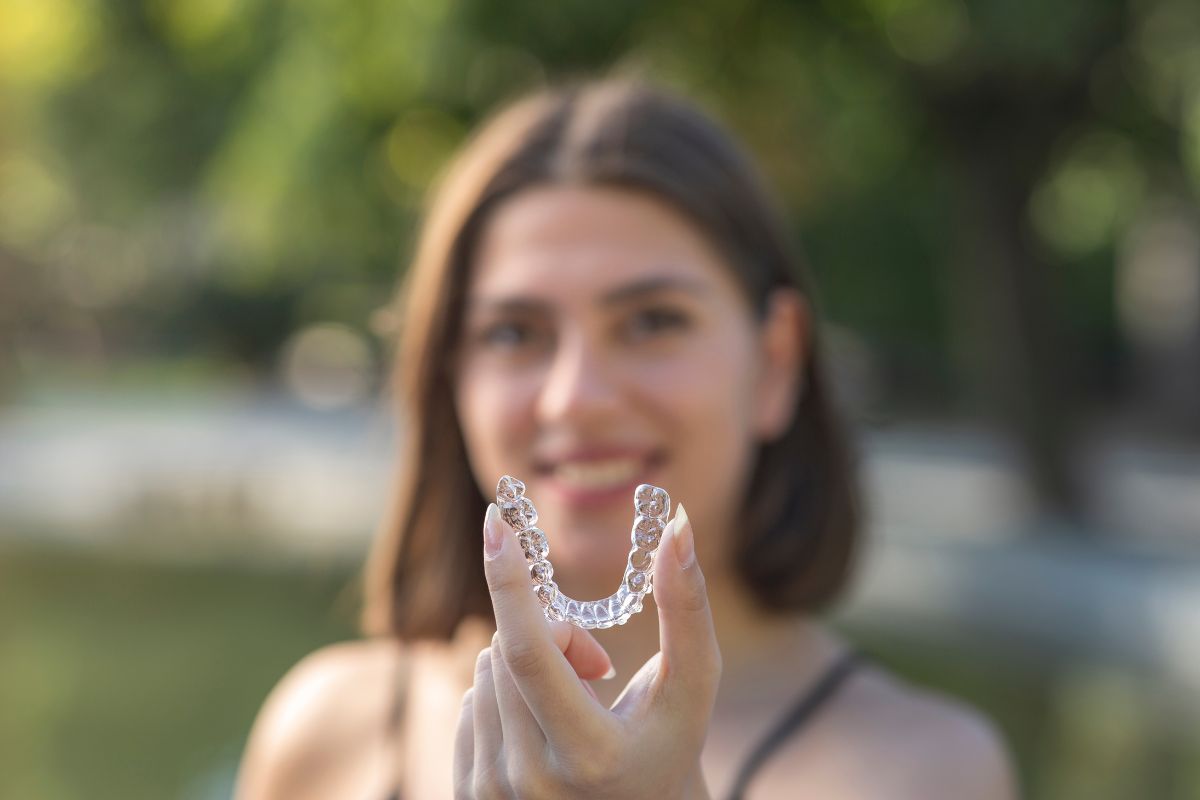
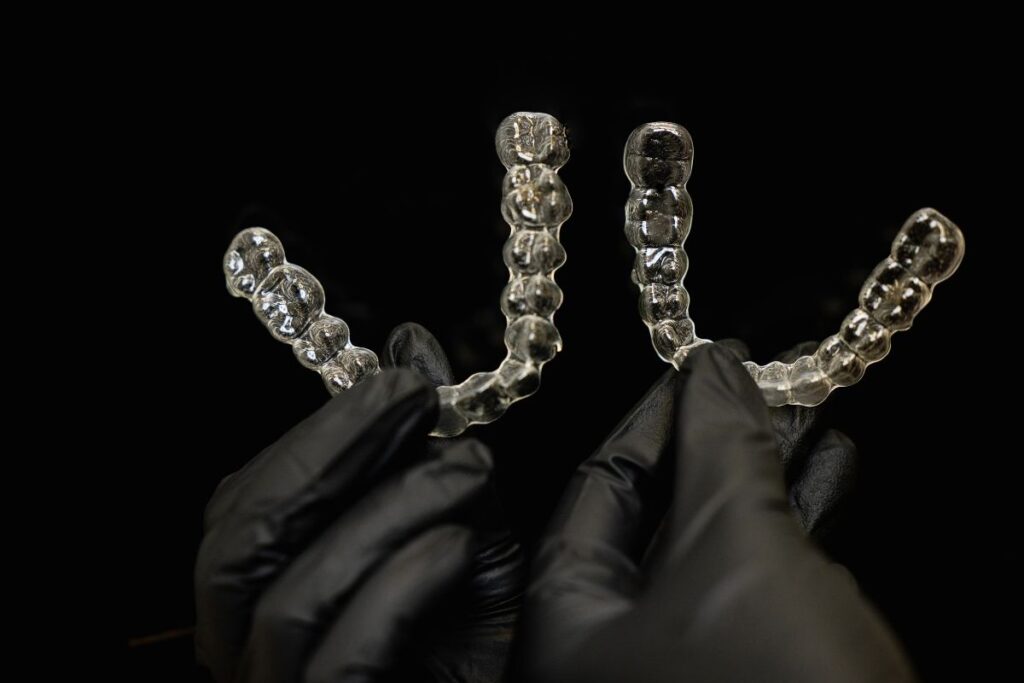
They use custom-made transparent trays that gently shift teeth into alignment over time. Many adults prefer discreet solutions, especially those considering Invisalign treatment in St. Louis for lifestyle convenience.
Best suited for:
- Mild to moderate crowding
- Gaps between teeth
- Cosmetic alignment corrections
In modern orthodontics, Clear Aligners offer flexibility, comfort, and subtle treatment while delivering predictable results.
How Orthodontic Treatment Improves Oral Health
Straightening teeth does far more than enhance appearance. Orthodontic treatment can:
- Improve brushing and flossing effectiveness
- Reduce plaque buildup
- Lower gum disease risk
- Decrease jaw strain
- Prevent long-term bite complications
Patients often report improved comfort, better digestion, and greater confidence after treatment.
When Should You Get an Orthodontic Evaluation?
You should consider a professional assessment if:
- Your teeth feel crowded or uncomfortable
- You notice shifting over time
- You experience jaw soreness or tension headaches
- Your bite feels uneven
- You’re unhappy with your smile
Local St. Louis residents frequently schedule orthodontic evaluations early to prevent worsening alignment issues and shorten treatment timelines. Call us today to book your orthodontic consultation and start your journey toward a healthier, straighter smile..
Why Early Orthodontic Care Matters
Delaying orthodontic treatment allows problems to progress, often resulting in:
- Longer treatment duration
- Increased discomfort
- Higher treatment complexity
- Greater risk of jaw joint problems
Early intervention helps ensure smoother tooth movement, improved comfort, and more predictable outcomes.
What to Expect During Your Consultation
During your orthodontic assessment, your dentist will:
- Examine tooth positioning and bite alignment
- Take diagnostic imaging if needed
- Evaluate jaw function
- Recommend a personalized treatment plan
You’ll receive clear guidance on whether braces, aligners, or alternative orthodontic options best suit your dental health and lifestyle.
A Straighter Smile Starts With the Right Information
Understanding your alignment needs empowers you to make confident decisions about your dental health. Whether you require braces, aligners, or monitoring, timely care can protect your smile for years to come. If alignment concerns are affecting your comfort, confidence, or oral health, Dr. Waite and Associates is here to provide a professional evaluation and clear direction. Call today or book your appointment online to take the first step toward a healthier, straighter smile with the trusted care of Dr. Stuart D. Waite and our team.
F.A.Q
1. How do I know if I need braces or clear aligners?
If you experience crowding, gaps, jaw pain, bite issues, or uneven wear, an orthodontic evaluation can determine the best treatment.
2. Are clear aligners as effective as braces?
For mild to moderate alignment problems, these aligners can be just as effective when used correctly and consistently.
3. At what age should orthodontic treatment start?
Orthodontic care can begin at any age. Many adults in St. Louis now pursue treatment for both functional and cosmetic reasons.
4. Do braces or aligners hurt?
Mild discomfort is common initially, but modern orthodontic methods significantly reduce pain and recovery time.
5. How long does orthodontic treatment take?
Treatment time varies with complexity, typically ranging from 6 to 24 months.